 The AFCC is the premier interdisciplinary international association of professionals dedicated to the resolution of family conflict. AFCC members include many of the leading practitioners, researchers, educators, and policymakers in the family court arena. For years, one of those members has been Herring Imming law partner, Taylor Fuller.
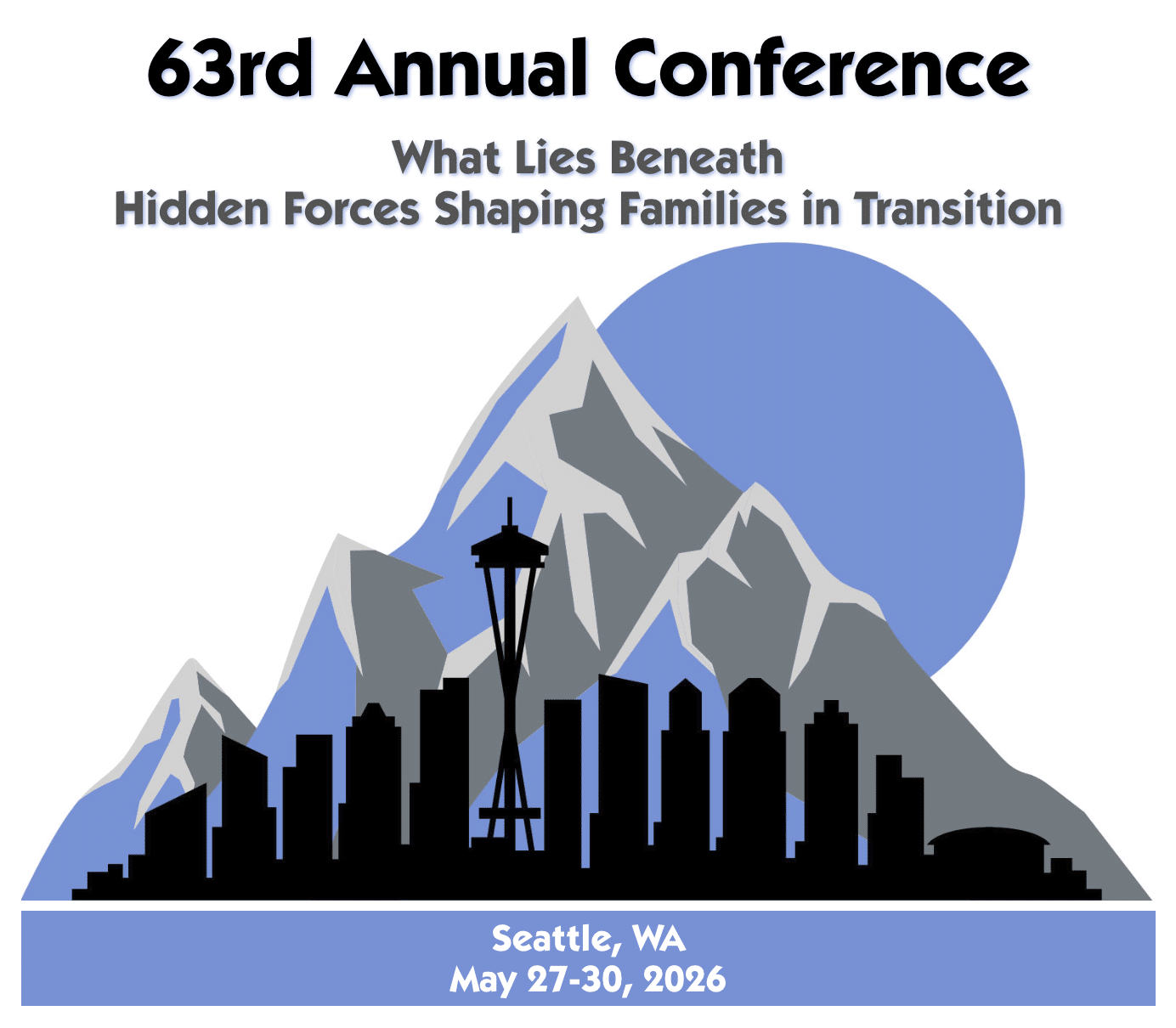
Family law requires more than knowledge of statutes and cases. It also demands an understanding of psychology, child development, forensic evaluation, and dispute resolution. With that in mind, Taylor recently attended the AFCC’s 63rd Annual Conference, themed What Lies Beneath: Hidden Forces Shaping Families in Transition.
There, judges, attorneys, mental health professionals, evaluators, mediators, and researchers examined the forces shaping family conflict and child well-being. Taylor participated in various workshops covering parent/child relocations, international child abduction, parent-child contacts, mental health, social media, and parenting across two homes. Lessons she is carrying into her practice concern:
- The importance of looking beyond the litigation: Family law disputes rarely exist in isolation. The legal conflict is often a symptom of deeper family dynamics. A workshop on parent-child contact cases urged professionals to use a systems perspective rather than assigning blame. For instance, parent-child contact problems may reflect several interacting factors:
- The child’s temperament and developmental stage;
- Each parent’s behavior and the level of co-parenting conflict;
- Extended family and mental health concerns, and
- The litigation process and professionals involved.
Typically, the goal is not to label one parent “good” and the other “bad,” but to improve how the family functions. That approach fits our firm’s practice: advocate firmly, but do not mistake interparental or parent-child escalation for progress.
- The dynamics of professional collaboration: Complex custody cases often involve attorneys, evaluators, therapists, parenting coordinators, supervisors, and judges. Each professional has a distinct role and ethical duty. Better outcomes depend on clear roles, shared goals, and communication — not competition or overlap. For clients, that can reduce litigation and maintain focus on the children.
- The ongoing evolution of parent/child relocation cases: Relocation (“move-away”) disputes remain among the hardest custody cases. A workshop on current research and evaluation methods focused on:
- Stability, continuity of care, and developmental needs of children;
- Parent-child relationships and communication between parents;
- Community ties, support systems, and the practical effects of a move, and
- Considerations when a parent supports or obstructs the child’s relationship with the other parent.
The discussion incorporated Marriage of LaMusga, California’s leading relocation decision. Under LaMusga, evaluations must holistically consider the family system, not just the proposed move.
- The challenges of parental “gatekeeping:” Parental gatekeeping may be adaptive — when a parent responds to legitimate safety concerns while supporting healthy relationships. Or it can be maladaptive — when conflict unnecessarily restricts a child’s relationship with the other parent. The key is careful analysis: does the conduct protect the child, or does it undermine safety, well-being, and long-term relationships?
- International child abduction and Hague Convention cases: A workshop addressed habitual residence, expedited procedures, limited defenses, and the role of forensic mental health professionals. The central point: Hague cases do not decide custody; they only determine which country’s courts should do so.
- Mental Health in High-Conflict Divorce: High-conflict divorce can cause profound distress. Presenters distinguished the normal psychological strain of divorce from a diagnosable mental health condition. Attorneys should recognize when a client may benefit from therapeutic support. They should reduce stigma around referrals, use person-first language, and stay within the legal role. Supporting a client’s mental health can strengthen legal advocacy and benefit the family.
- The Growing Influence of Social Media in Family Law: Social media now affects both families and the professionals who serve them. Online posts and reviews can intensify conflict, damage reputations, and lead to complaints, claims, or harassment. For separated parents, instant communication and public commentary can turn social media into another battleground. Professionals should set clear online boundaries, understand the ethics of digital communication, and help clients see how online conduct can affect both litigation and family well-being.
- Helping Families Navigate Screen Time Across Two Homes: Screen time issues can generate a common source of conflict: different technology rules in each household. Predictable, age-appropriate boundaries can support stability, healthier routines, and better co-parenting. Parenting plans can address screen time, online safety, monitoring, and communication between parents. Clear expectations may prevent routine disagreements from becoming future litigation.
AFCC’s strength is its interdisciplinary focus. Family law is not only about hearings and legal arguments; it is about people facing difficult transitions. Updated research helps us understand those transitions and provide more thoughtful, effective representation. The conference reinforced that effective family law practice combines legal skill with an understanding of the human dynamics beneath each case.
At Herring Imming, ongoing education for all our attorneys and paralegals support our informed, strategic, and compassionate advocacy. We applaud Taylor for her dedicated involvement in AFCC, and for sharing her ongoing education with you and us.


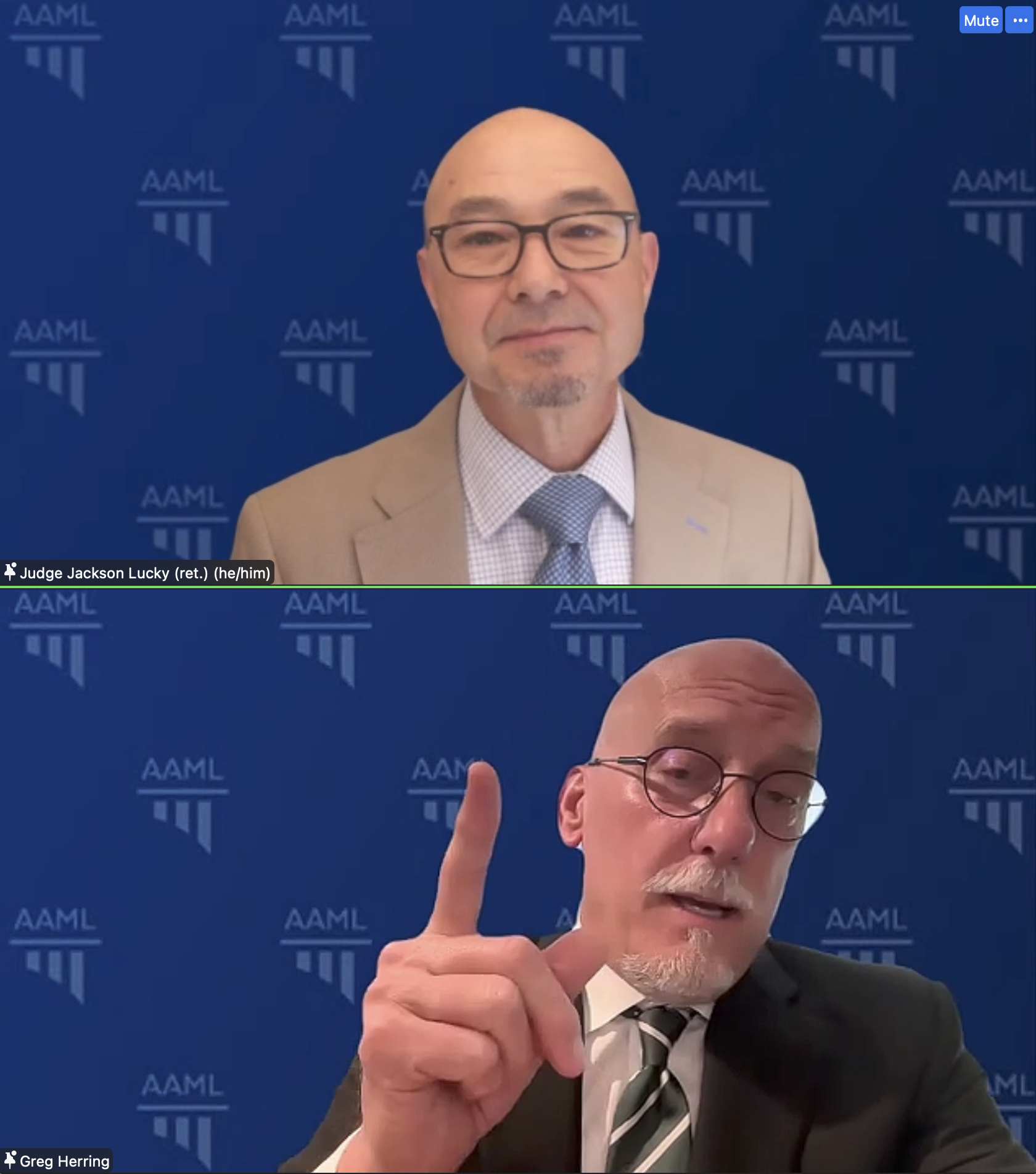 On October 2, 2026, Herring Imming hosted the Southern California Chapter of the American Academy of Matrimonial Lawyers’ inaugural annual Evidence Basics Seminar. EBS is now a companion to our annual Trial Basics Seminar, which Herring Imming founded in 2015. As with TBS, EBS is geared toward family law lawyers with limited trial experience wanting to learn basic evidence principles and related skills from the AAML’s experts. We present EBS to reach out to our community, improve the skills of less-experienced family law lawyers, and give back to our profession.
 40 years ago, some of the finest family lawyers from the United States and Europe gathered and drew up the Charter for the IAFL, which was patterned after the American Academy of Matrimonial Lawyers. The IAFL’s mission is to improve the practice of law and the administration of justice in divorce and family law throughout the world. The IAFL uniquely provides extensive resources allowing its Fellows the ability to reach out to each other toward exchanging their knowledge and expertise. Now comprised of 1,114 Fellows from 83 countries, its importance to American family law grows as our world becomes increasingly interconnected.
 By: Herring Imming Legal Assistant, Arshiya Sanduria